One would think that with Disney’s The Jungle Book being a
big part of my childhood, I might like tigers less. Shere Khan was only one of
the most scary villains—though, simultaneously one of the most…noble? Not that hunting
a child is noble, but his motivation was less self-serving than say, Scar’s. Actually,
come to think of it…big cats are these terrifying, massively dangerous wild
beasts…but it’s just hard not to like them.
Especially when big cats apparently have the same inability
to resist cardboard boxes that their domestic cousins have and they are also
openly fond of basking in the sun.
When I was a kid, I had this little plastic tiger cub who
was classically named—Stripe. My brother had the same tiger, except white, and
named Ghost Tiger—but we called him GT for short. Very creative names!
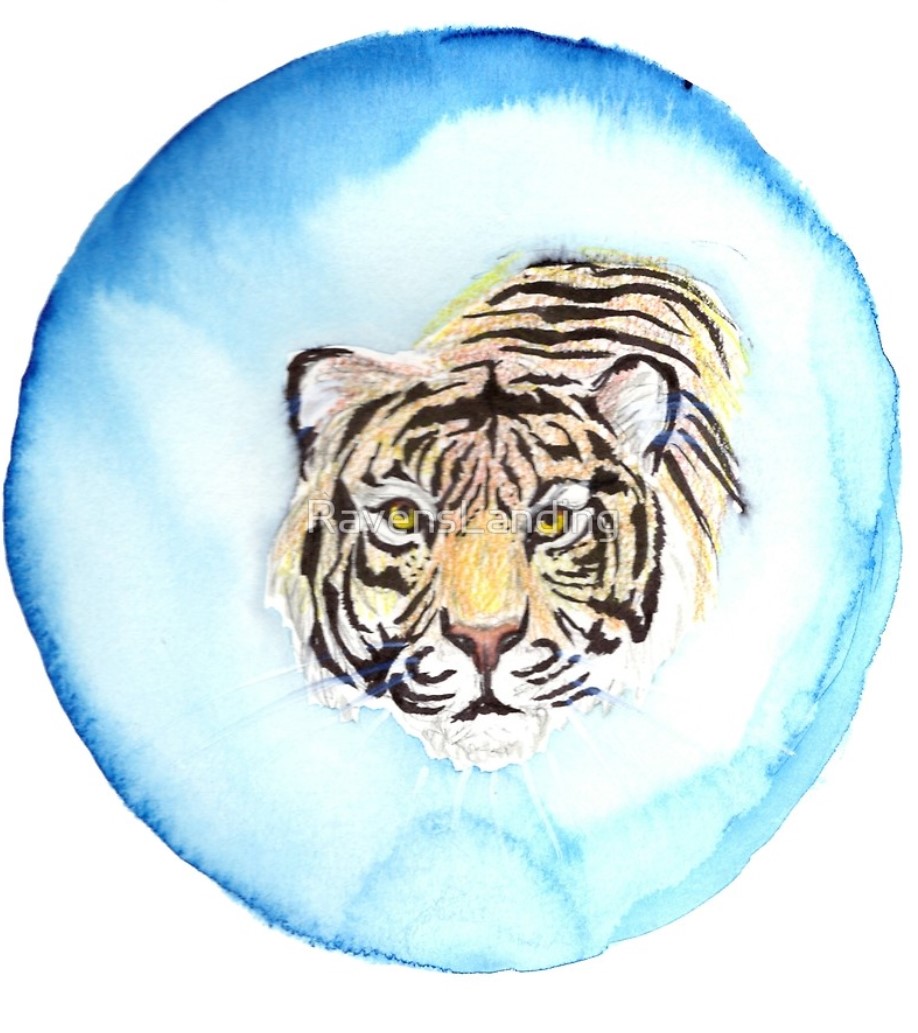
Tigers are very hard to paint, incidentally. I’ve really
struggled to capture their bone structure. For some reason the leopard comes
easier—perhaps because the leopard is more sleek?
I don’t have any childhood leopard memories, I think I might
have had a plastic leopard at one point, but it was not as important a toy as
Stripe.
I want to paint a series of big cats, glamourous big cats
like these—and also more comedic big cats. Big Cats in Little Boxes, sounds fun
and challenging!
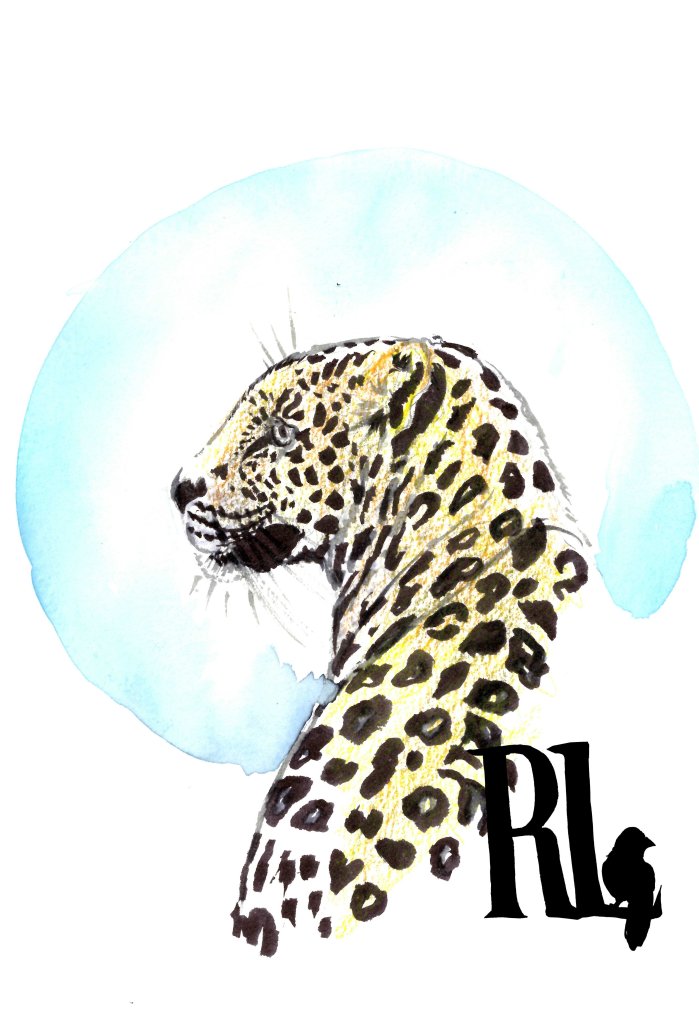
Glamour Leopard is Glamorous
I have a hard time cartooning from scratch—but I’m trying to learn. I spent so much of my life wishing I could draw photo-realistic things that it’s been a huge mindset shift to accept that my strength lies elsewhere. It’s not that I can’t be photo-realistic, but the pieces that really shine with emotion and are fun to look at aren’t those. I’m better at whimsy, and better at evocative. And I’m finding that I like artwork that looks like art. Especially with so many amazing photographers out there, I don’t feel the need to duplicate their work, I’ll make it something new.
Both of these cats are done in colored pencil, over a watercolor background and inked blacks. They are both up in Redbubble, I haven’t put them in my Etsy shop yet, though. Do you think I should?
Processing…
Success! You're on the list.
Whoops! There was an error and we couldn't process your subscription. Please reload the page and try again.
We had a few good weeks of steady progress in May. I had,
this spring, but some focus on mounting block etiquette, expanding previous
training to include “mounting from anything that might work” out and about.
Last winter was rough on the trees, so there are a number of little wood piles
here and there about the property, and I’ve been using those as training
opportunities. The first time I asked Midas to walk up to one he gave it, and
me, VERY dubious looks and was extremely reluctant to partake in this venture.
It took several tries to get him to come to the right spot so I could scratch
his back and praise him from where I stood on the wood pile (and that was after
circumventing it on foot to make sure it was a wood pile and not a wolf pack or
something.)
Exploring on a long rein ❤
As an aside, here: There was a day after our first or second
exploration of the woodpiles that Midas was just really distracted. He kept
staring at something in that portion of the woods, no matter where we were in
the ring, and was skittish going down the driveway—which at this point in the
spring we’d been down several times in the recent past (including extensive
sessions standing still in the middle of the driveway waiting patiently.)
FINALLY I figured out that there was a new woodpile. So, I rode him directly to
it, he came peacefully but on HIGH ALERT ready to evacuate just in case it was
an evil woodpile. We got within 10 feet and stopped to observe.
He finally noticed the big stand of grass next to the pile.
I pointed to the grass (from his back, mind you, so just in his peripheral) and
said, “you can eat that, if you want” and he decided it was not an evil
woodpile if it had grass next to it.
The grass was destroyed. We searched the rest of the pile
and it was deemed safe. He was perfectly calm and mannerly the rest of the
ride.
Sleepy face of a relaxed and happy horse.
Anyway.
I’ve been trying to teach him to come to the mounting block.
Monty Roberts teaches horses this, and I love it. It’s so useful. Endo the
Blind, this eye-less Appaloosa, does it and he
can’t even see. Midas should be able to learn. The idea is that the rider
goes and stands on the mounting block, then calls the horse, who comes and
positions himself so the rider can mount easily.
You might not remember this, but we used to go rounds with
Midas to get him to stand at the mounting block long enough for someone to get
on. (Way back at the beginning). This is such a common problem with horses in
general that there are comics about it. Horses seem to wait for you to
position, them, then when you climb onto the mounting block or fence, they
sidle out of reach.
I’ve been working on Midas off and on for years about mounting
block manners, and he is actually quite good about the mounting block. (For me,
anyway. When one of the littles leads him up, all bets are off these days). This
spring I decided that there was no excuse, he should come up and present
himself even if I don’t lead him up to it before I climb up. I’ve also found
that teaching him something new really helps with mounted work.
Midas already knows how to be sent and called in from a
circle, so that’s where I’d started in the past. I’d stand on the mounting block
and work him on the line, sending, circling, coming back. Mostly without tack, sometimes
ending with a little bareback riding.
I refreshed him on that, and then practiced parking him a
bit away, telling him to stay, then walking to the mounting block and summoning
him. I did this with tack and without, but always with the 14’ rope.
He’d come, and I was frankly surprised at how readily he
marched to the right spot with a proud look on his face. I’d shower him with
praise and scratch his neck, withers, and back.
He even did it without the rope to reinforce if he pretended
to not know what I was asking.
This spring I also started going out in the big field again—it’d
been a while since we’d been out there working in hand (used to with the inlaws).
We marched around the field and did some basic groundwork in hand, and he was
good. Then I’d go do something else entirely with him.
Then, last week I tacked him up and we marched into the
field in hand. I didn’t have a full plan, just wanted to do something
different. I had the rope and stick with me, but started with just asking him
to follow me this way and that without the rope or me touching the reins. He
was only so-so on that, so I attached the rope to the bitless bridle. Ended up
at the farthest edge, climbing up onto the little coop and asking him to
present himself so I could mount.
And he did.
Came right up, cuddled close so I could easily swing aboard.
I was so surprised. It took a bit of doing to unclip the long rope from his
bitless bridle, and then I rode for a while in the field one-handed because the
other was occupied with my stick and my 14’ rope. But you know what? It went
great. He was relaxed and easy, and I was relaxed and easy.
All the work I’ve been putting into riding with seat and
legs, for both our sakes, paid off. We calmly looped around the field, this way
and that, at walk and trot. It was amazing.
The next time I rode, I asked him to come to the big wooden
mounting block the kids use. He sidled right up. I rode him up and down the driveway
before the littles arrived and we gave them pony rides in the woods, then I
asked him up to a woodpile so I could get back on. He came.
I am so pleased that he seems to have really learned and understood and embraced this little thing.
Processing…
Success! You're on the list.
Whoops! There was an error and we couldn't process your subscription. Please reload the page and try again.
I don’t know who started it, but I belong to a family of
birders. Compared to a truly avid birder, we aren’t, but compared to the folks
who aren’t sure what a robin is, we’re absolute bird nerds.
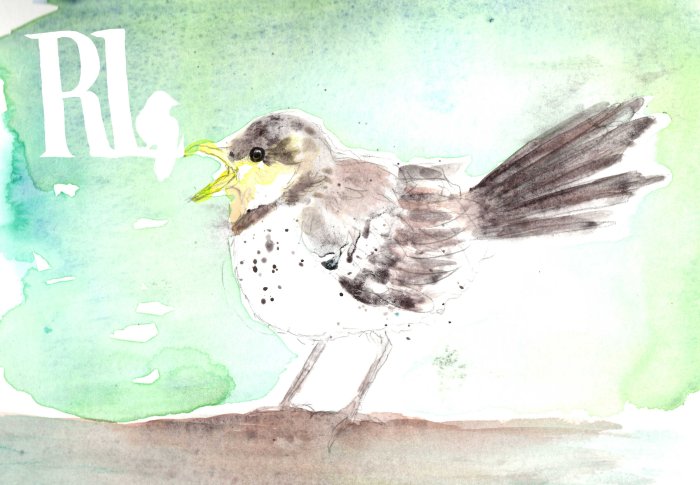
I think this is a wren. I should have written it down.
Growing up, we had a couple blue bird houses in back and a
hummingbird feeder hanging off the deck. But my grandparents maintained a
monstrous contraption of a bird feeder, with suet, thistle, sunflower, and
probably a couple other extensions. My grandfather had a longstanding contest
with the local squirrels, but unlike me he was actually pretty successful in
building baffles to keep the little moochers off. It wasn’t until recently that
the trees had gotten too big and too close, and the squirrels could just LEAP
directly onto the feeder.
But for years, the squirrels foraged under the feeder and
the birds fed at their appointed places and splashed in their heated (in
winter) birdbath.
My Grandparents received Birds and Blooms magazine, and whenever we arrived at their house for a visit I would immediately grab a magazine and flip through the pages looking at all the spectacular, brilliantly colored, photography. I never read the full length articles, just the short little blurbs and funny stories. But oh, those pictures.
Phone calls, letters, and conversation centered on the
happenings at the bird feeder—what notable bird visited, or the time the fox
came through with a half-eaten something in his mouth, or the day the hawk
visited and ALL THE BIRDS avoided the yard for hours. I imagine, if there were
a zoologist historian at some point in the future, they would like to have my
grandmother’s letters. But given that they are all written in cursive, they won’t
be able to read them.
The aviary is my favorite part of the zoo, and I always try
to stop and listen to the birds, even though I have only the barest grasp on
which birds I’m hearing. Now that I’m grown and have a house of my own, I have
a sunflower seed feeder.
I hang it off a tree branch I can reach from my deck, so I
had no illusions about keeping the squirrels off—though I do throw cups of
water at them sometimes when I feel like they’ve been on the feeder Every
Single Time I’ve been out there.
I don’t mind at all when the cardinal in the tree outside my
bedroom window scolds loudly because the feeder is empty. I love watching the
housefinches, chickadees and the occasional titmouse pigging out on the feeder.
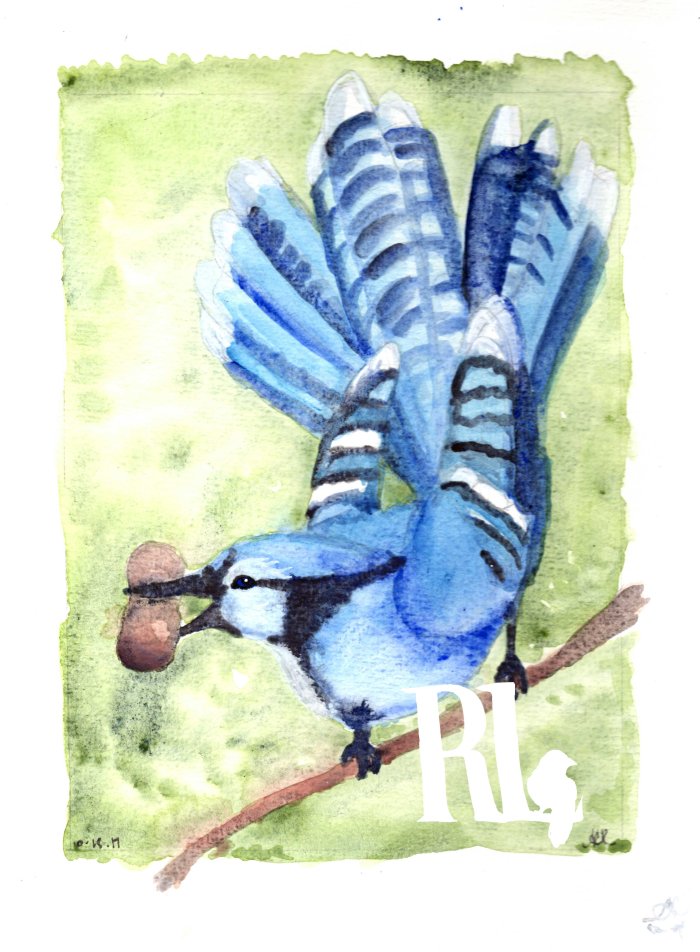
Blue Jay (those Jays…)
After a lifetime of drawing horses, I was surprised to find an
affinity for birds. I really love painting birds, and half the time I really
love how the paintings come out. I attribute it to the hours and hours I spent
poring over Birds and Blooms, staring at breathtaking hummingbirds, titmice,
tanagers, orioles, chickadees, bluebirds (east and west), blue jays (east and
west)…of course, the more shy, insect eating birds I know essentially nothing
about (there are armies of wrens and warblers and sparrows that I’m only seeing
now because I have an uncle and an aunt who are Real Avid Birders with a Really
Nice Camera).
I’ve started to experiment with different looks and feels
for my bird paintings, and will probably start asking various wildlife and
raptor rehabilitation centers if they are interested in having a piece to auction.
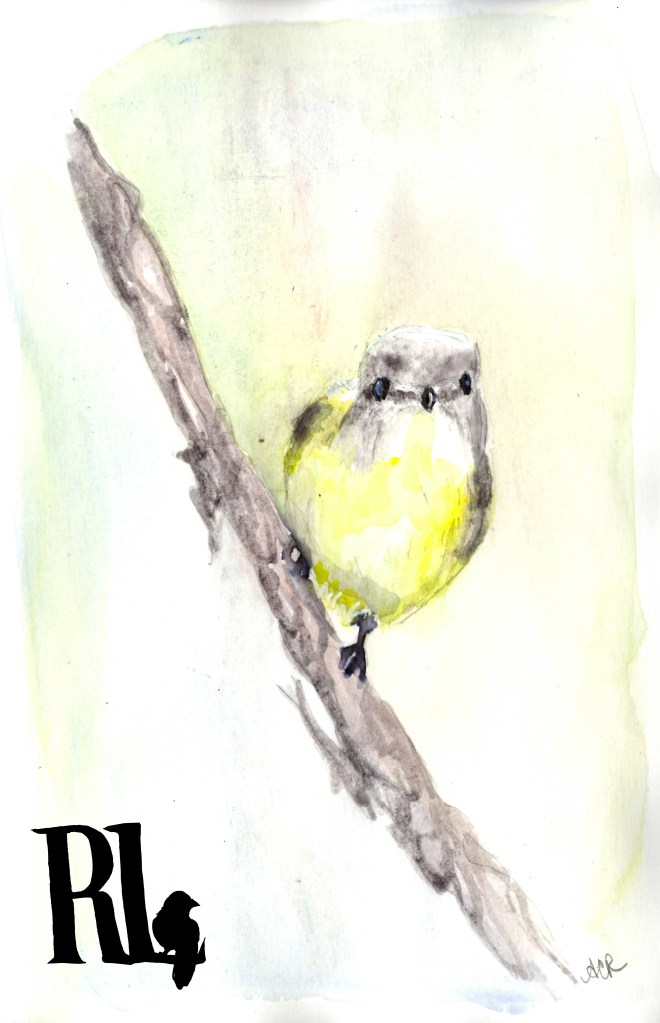
What about you? Do you bird watch? Or are birds those mysterious avian monsters from that Hitchcock movie? Which of these birds did you like best and want to see in the Etsy shop? (The Blue Vireo is already there)
It’s been quite a while since I’ve given an update on Midas—we’re
still riding! We had some interesting setbacks last fall, ironically due almost
entirely to the success I’ve had remaking Midas into a good citizen. He’s got a
teenager now who rides him a couple times a week, and my rides now include a
good bit of retraining. Anyone who grew up at a lesson barn on lesson horses should
understand how lesson horses, with the rare exception, are the way they are because
they have so many riders at so many skill levels that they either get away with
murder or they plod along keeping their heads down.
Midas would be the one getting away with murder. It’s not
really because he likes murder, per se, it’s just his default solution to
things. A regular murder-hobo, that one.
We have definitely spent a lot of time rehashing issues I’d buried
years ago. It’s really interesting to see which parts of the training unravel,
and which parts you have to focus on in order to restore the whole.
I get the impression that most people find manners either
dull, cute, or otherwise optional until the manners are so bad that they are
obviously dangerous. But manners are everything, and the only way to get them
is to teach them and insist on them.
One of the most important things in re-establishing behavior
and boundaries is the grooming time. I require that the horse stand still while
being groomed, and not wander off to eat unless given express permission. For
example, Midas knows that if I point to grass and say “OK, eat” he’s clear to
stuff his face until I have something else for him to do. It doesn’t count as
permission if he dives for the grass and I say, “ok, fine, whatever, I’m tired
of fighting with you.”
In return for respect, I try to provide an incredibly
pleasant grooming experience full of kind conversation and itch scratching.
It’s important the horse not move unless asked or released,
because I’m the one in charge. The last thing I asked was for the horse to stop
and stand still, so he should until told otherwise. He’s not loose and alone,
he’s with me.
It’s important to note here that I don’t tie the horse, haven’t
in years, and haven’t used crossties in so long that it startles me to see a
horse cross-tied. Now, you don’t START with a horse who stands quietly without
being tied, but you can’t get one unless you teach him.
There are some days we spend the whole grooming time with Midas
trying to walk off or eat, and I quietly put his feet back where I left them
and refuse to let him tune me out. On a very bad day, I hold the lead rope the
whole time I groom. Days like that pretty uniformly mean that our mounted work
will be rudimentary and fraught.
Sometimes, though, I can recapture his mind with groundwork—since
he already knows yielding in hand, I try to change things up. New locations, mixing
commands with just following me at trot or walk or through figures. We had to
give up total liberty for a while, but we’re getting back to following work
without the rope as a training measure.
As spring really kicked into gear, we started to have
mounted work that felt like the work from last spring. He stopped charging into
trot again, and I invested a few rides in making him stand and wait outside the
ring and the payoff was the ability to have a nice long hack on the buckle
around all the neighbor fields.
I mix up my rides as much as possible, one day we use a
saddle and work on softness at trot and transitions. Other days we use the bareback
pad (or nothing at all) and focus entirely on seat and legs and mounting block
manners in the ring and abroad using woodpiles.
A couple weeks ago I got on him with just a lead rope from
the woodpile down the driveway and rode him utterly gearless back to the barn.
Last week we wove cones at walk with just a neck rope.
I’m starting to hope that we can, again, start working at
trotting bridleless.
Each ride varies, and I’ve no doubt that the mindset I walk
in on is directly tied to what happened when the teenager rode him.
But what doesn’t vary is that he won’t calm down if I am not
calm. He won’t obey if I am not the leader all the time—isn’t there a line from
something, “Am I not Queen?”—either I’m Queen all the time or I’m not Queen.
I’m a good Queen. I work very hard to pay attention to his
needs, to make sure gear fits and is smoothly in place, to scratch itches,
reward good tries, and not punish things that weren’t intended as slights or
rebellion. I try to listen when he has something to tell me, so he knows that
he’s not a slave. But….he is a subject.
Midas isn’t a fool. He appreciates considerate behavior. But,
he has this baggage, and sometimes can’t bring himself to just BE considerate
himself. Last year I’d mostly re-structured his responses so we were working on
canter and brideless and liberty.
But, the introduction of a beginner intermediate rider brought
his baggage roaring back. Not as bad as it was—not by a long shot. He was still
ridable, for one thing. I don’t think he’s bolted outright with her, for
example. But he does charge around like an idiot, and he doesn’t exactly steer or
bend amazingly.
It’s good to see, though, that he doesn’t lose everything. That I was able to give him a new lease on life, another level of usefulness, another way of relating to humans that doesn’t shoot first and ask questions later. At least…he sticks to kneecaps…baby steps, right?
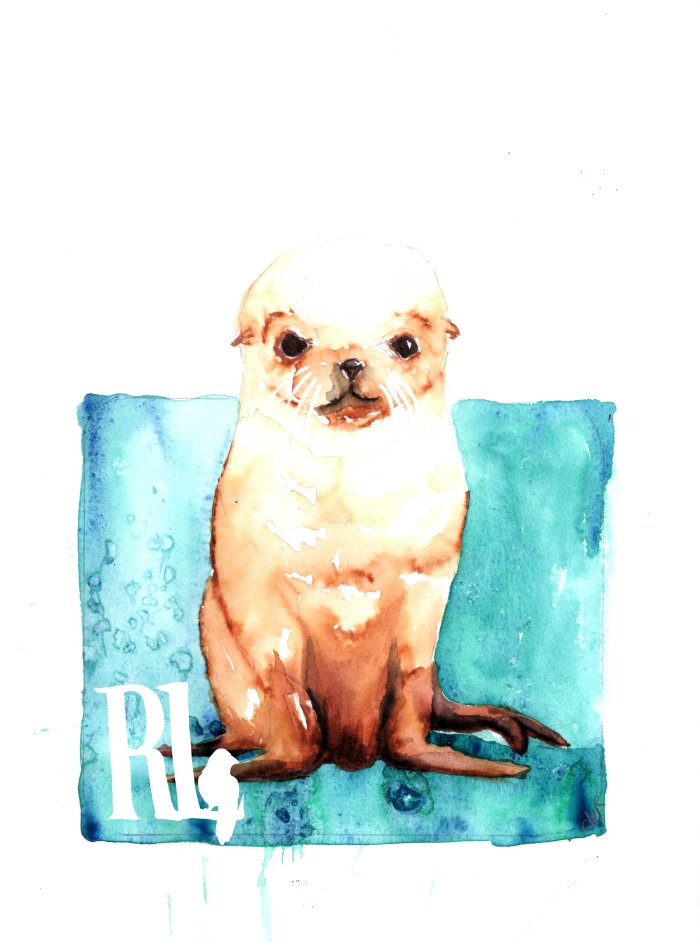
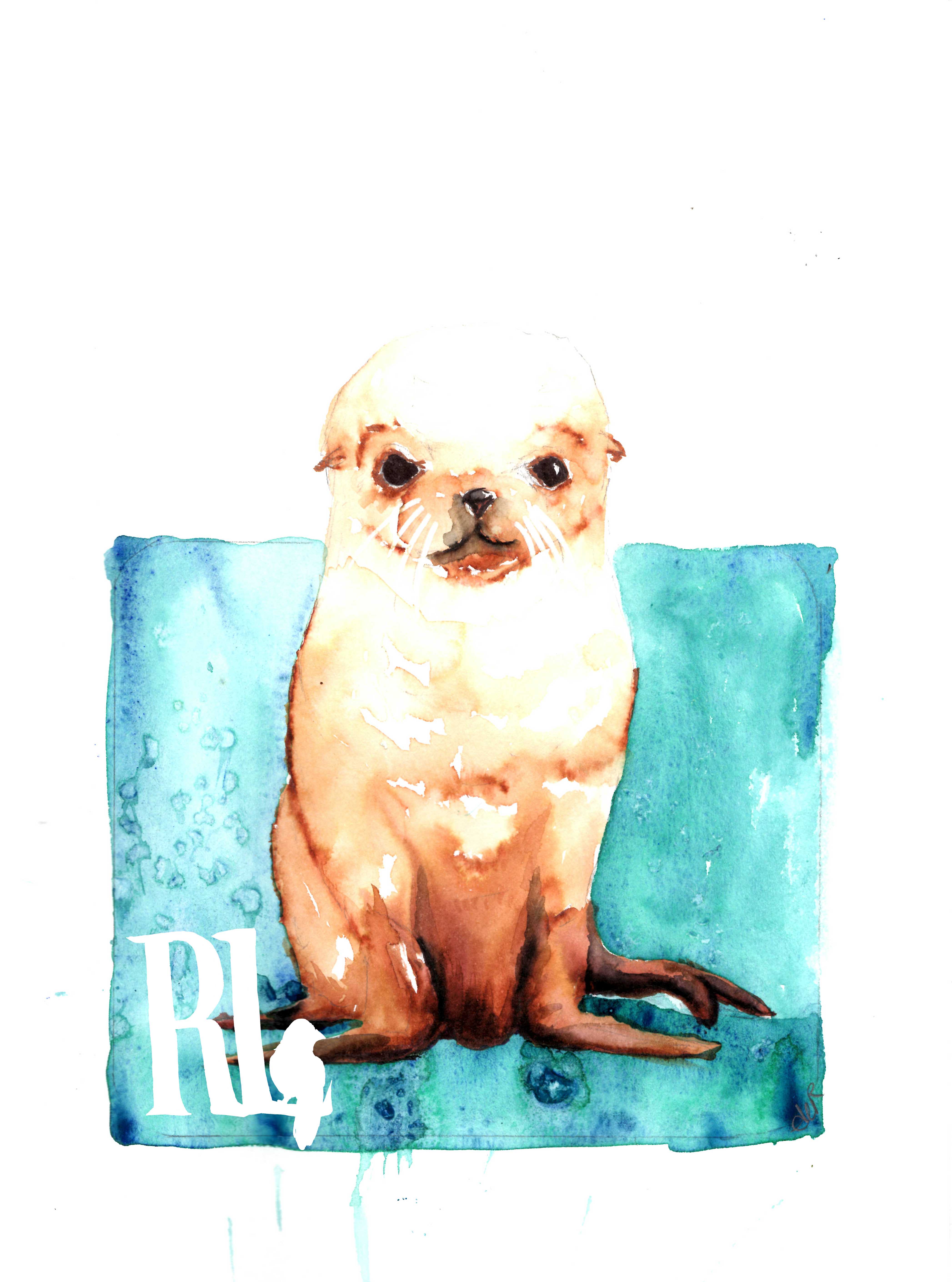
We’re right in seal-whelping season so I thought I’d share this adorable little seal pup I painted. I’ve been on a wild animal kick lately. My whole life I’ve been focused on drawing horses, and there’s nothing wrong with that, but I’m enjoying branching out. It’s fun and challenging to draw new animals. I’ve been rather surprised and delighted how cool the pictures come out!
Brush shaped markers have always been among my favorite tools. Almost two years ago my husband got me a set of water-soluble brush pens, then my brother got me an expansion. I love mixing them with proper watercolors like I did for this adorable little guy. His background is watercolor, primarily Daniel Smith brand, but he himself is brush pen. The brushes fit with the way I think about light and dark, allowing me to put down color in dark places and bleed it gently away.
When I was a kid, we used to visit Woods Hole Oceanographic Institute‘s tiny public aquarium, which always had two seals. I’m utterly embarrassed that I couldn’t tell you what type of seal they were–probably harbor seals, because this is New England. I loved watching the seals swoosh by through the water with no effort at all. So sleek and fast! I have always wanted to touch one to find out what they feel like. Is it like wet dog??? If any scientist out there knows, please tell me. (But nobody go harassing these adorable creatures in the wild. It’s sort of like any other cute little ball of fluff in the wild—if you touch it, you probably just ruined its chances at survival.)
Harbor seals are protected species nowadays, threatened by habitat degradation, chemical contamination, collisions with ships, entanglement in nets, and illegal feeding and harassment from people. They provide food for sharks and killer whales, making headlines on Cape Cod by bringing Great White Sharks (back?) to the region.
Harbor seals live up and down the Pacific coast, Alaska, and New England and the Mid-Atlantic states. The Marine Mammal Center estimates there are only 500,000 harbor seals worldwide. Pretty crazy to think about, actually.
They are remarkable animals, born swimmers (literally), able to hold their breath for at least 2 minutes when they are only days old, and then even in their sleep (up to 30 minutes!) once they are adults. They also molt. Which. I just find interesting.
Anyway, this fun little piece is available on all sorts of things on Redbubble (you know the drill) and I’m also selling fine art giclée prints through my Etsy shop.
Do you have a favorite Marine animal? Tell me about it, maybe I’ll give painting it a try!